
May 31, 2026
Camping with Dogs: Safety Tips and Essential Checklist
Before camping with your dog, learn the key safety tips for health checks, leash control, food, water, night setup, campfires, and wildlife.
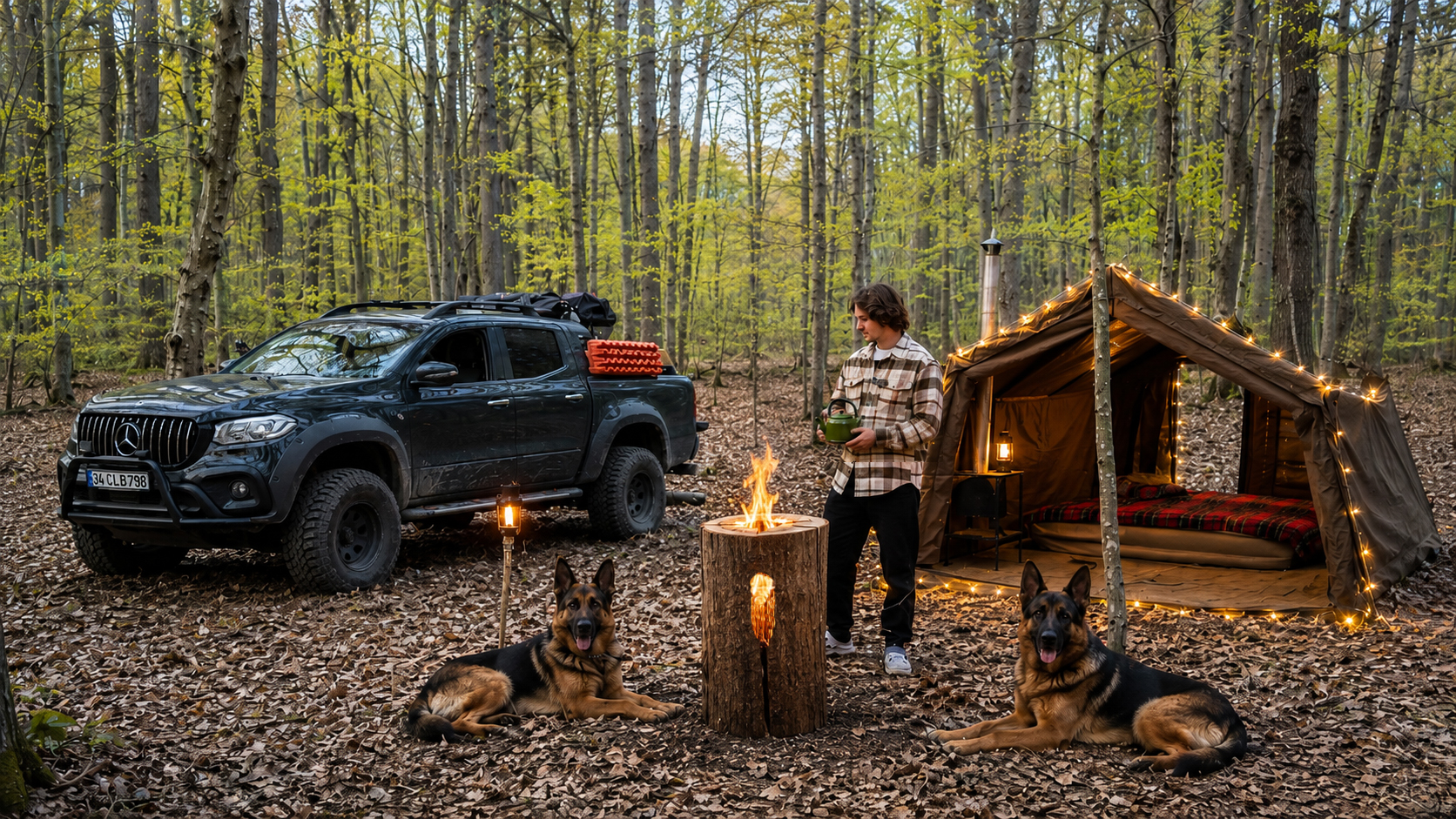
What Should You Consider When Camping with Your Dog?
Camping with your dog can make your time in nature much more enjoyable. However, a campsite is very different from your daily routine in the city. Open land, wild animals, night sounds, changing weather, insects, clean or contaminated water sources, and campfires can all create situations that require extra attention for your dog.
That is why preparing only food and a leash is not enough before going camping with your dog. Your dog’s safety, comfort, and behavior at the campsite should be considered in advance.
1. Health Check Before Camping
Before heading out, make sure your dog is in good general health. Long walks, cold or hot weather, humid conditions, and difficult walking routes can be tiring for some dogs depending on their age and physical condition.
Things to check before your trip:
Vaccinations are up to date
Internal and external parasite protection has been done
Paws, ears, and skin are checked for sensitivity
A veterinarian is consulted for elderly dogs or dogs with health issues
Ticks, fleas, and insects can be more common in forest areas and near lakes.
2. Leash and Control
Even if your dog is well trained, letting them roam completely free at a campsite may not always be safe. New smells, wildlife sounds, other campers, and unfamiliar surroundings can easily distract your dog.
You should have these items with you:
A strong everyday leash
A long walking lead
A harness
An ID tag with contact information
A reflective or light-up collar for night visibility
At a campsite, you should always know where your dog is.
3. Plan Food and Water
Dogs may burn more energy than usual while camping. For this reason, food portions and water needs should be planned in advance.
Useful items to bring:
Enough dog food
Clean drinking water
Foldable food and water bowls
Treats
Wet wipes or a towel
Lake, stream, or puddle water is often not safe for dogs. Even if there is no immediate problem, bacteria and infection risks may appear later. Whenever possible, give your dog clean drinking water.
4. Create a Safe Sleeping Area for the Night
Dogs can be more alert at night in a campsite because of unfamiliar sounds. For this reason, their sleeping area should be prepared before it gets dark.
To help your dog feel comfortable at night:
Choose a safe area inside or near the tent
Place a mat, blanket, or dog bed underneath
Avoid letting your dog sleep directly on cold ground
Keep the leash and light-up gear close at night
When your dog feels safe at the campsite, both you and your dog can have a calmer night.
5. Be Careful Around Campfires and Hot Equipment
Campfires, wood stoves, camping stoves, hot pots, and embers can be dangerous for dogs. Dogs may get curious and approach the fire, hot food, barbecue tools, or heated equipment.
Important safety points:
Keep a safe distance around the fire area
Do not leave hot pots and pans close to the ground
Make sure embers are fully extinguished
If you use a tent stove, control how close your dog gets to it
Fire safety at a campsite is not only important for people, but also for dogs.
6. Be Aware of Other Animals in Nature
In forest areas and near lakes, you may encounter wild animals, insects, snakes, or stray animals. Even if those animals are only looking for food, your dog may approach them out of curiosity, playfulness, or protective instinct.
For this reason:
Do not let your dog leave your sight
Do not let them roam freely in unfamiliar areas
Do not allow them to wander alone at night
Do not leave food leftovers outside
Reduce food smells around the tent area
If possible, store food inside your vehicle
The smell of food can attract not only your dog, but also other animals nearby.
7. Observe Your Dog’s Behavior
Not every dog adapts to camping in the same way. Some dogs feel very comfortable in nature, while others may become nervous because of night sounds or the unfamiliar outdoor environment.
Watch for these signs:
Constant barking
Restless walking
Shivering
Excessive panting
Refusing to eat
Staying very close to the owner all the time
These signs may show that your dog is tired, scared, anxious, or uncomfortable.
8. Short Camping Checklist for Dogs
Before leaving for camp, you can check this list:
Dog food
Clean water
Food and water bowls
Leash
Light-up collar or reflector
Long lead
Harness
ID tag
Dog bed or blanket
Towel
Waste bags
First aid supplies
Tick remover or tick tweezers
Treats
Conclusion
Camping with your dog is one of the most enjoyable ways to connect with nature. However, for a good camping experience, your dog’s safety, health, and comfort should be planned in advance.
With the right preparation, camping can become a peaceful and safe experience not only for people, but also for dogs.